
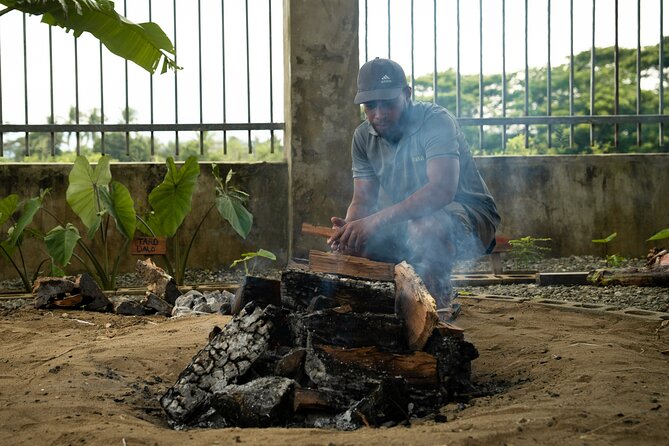
Reviewed · FIJIAN VILLAGE & CULTURAL TOURS
Vavavi – Fijian Cooking & Cultural Experience
Taste Fiji from the family kitchen. Vavavi combines a local market visit with hands-on cooking, giving you more than a meal and a quick cultural show. I like the chance to help prepare dishes such as palusami and eggplant tavu, and I like that the food is cooked in a traditional lovo, or earth oven. The small maximum of 12 people should also keep the day friendly and personal.
The main consideration is transport. Pickup is offered in the Nadi and Denarau area, but transfers from outside that zone are not included. At about six hours, this is a full morning and afternoon activity, so it suits you best when you want to give food and local culture a proper place in your Fiji schedule.
The hosts, including Sam, Rocky, Joy, and John, are praised for being warm, attentive, and accommodating. With coffee or tea, bottled water, drinks at lunch, and dietary requests such as vegetarian, vegan, halal, and gluten-free options available, $117.12 per person is a fair price for a meal, class, market visit, transport within the service area, and several cultural activities in one package.
In This Review
- Key things to know before you book
- Why this six-hour experience feels different
- Starting at 9:00 a.m. in Nadi
- The market visit: seeing Fiji’s everyday ingredients
- Preparing the lovo, Fiji’s earth oven
- Cooking at least four traditional Fijian foods
- Coconut scraping, weaving, and kava tasting
- Lunch with the food you helped prepare
- Is $117.12 a good value?
- Who will enjoy Vavavi most?
- Booking, cancellation, and useful planning notes
- Should you book Vavavi?
- FAQ
- Where does the Vavavi experience begin?
- What time does the experience start?
- How long does the experience last?
- Is pickup available?
- Where does the experience end?
- Is lunch included?
- Can dietary requirements be accommodated?
- How many people can join the experience?
Key things to know before you book
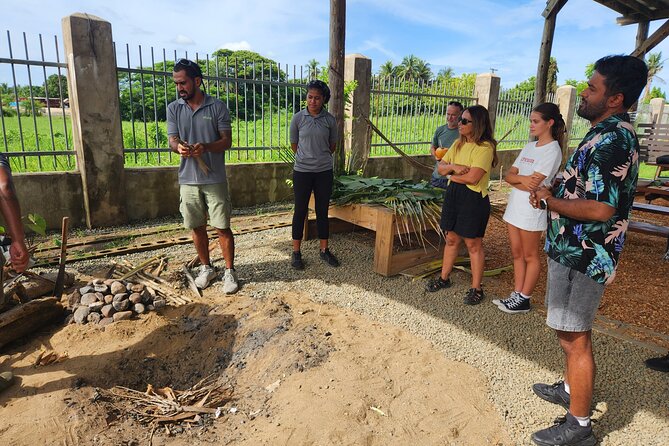
- The lovo is the heart of the day: You help prepare food for Fiji’s traditional earth oven, then eat the results at lunch.
- The market visit adds local context: You see where fresh produce is bought for everyday cooking, not just ingredients arranged for a class.
- You prepare at least four foods: Palusami and eggplant tavu are among the examples provided.
- The group is capped at 12 people: That is small enough for hands-on participation and direct contact with the hosts.
- Coconut scraping, weaving, and kava tasting are included: The experience reaches beyond cooking into daily customs and craft.
- Dietary needs can be handled: Vegetarian, vegan, halal, and gluten-free requirements can be requested.
Why this six-hour experience feels different
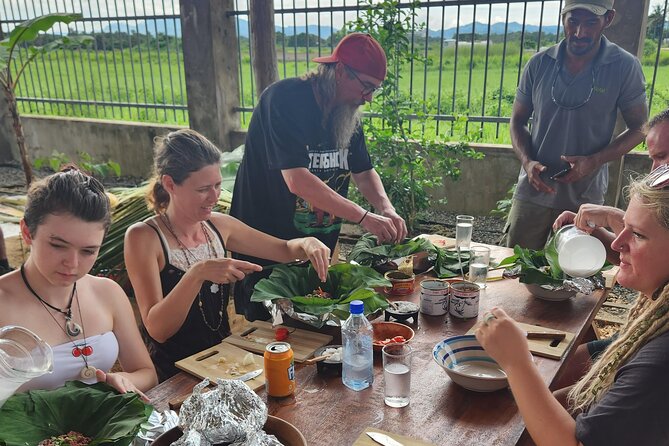
Many Fiji outings give you a short look at local culture before sending you back to a resort lunch. Vavavi takes another route. It builds the day around food, then uses food to explain family life, local produce, tools, customs, and shared time around the table.
That matters because cooking gives you something to do. You are not only watching a performance or listening to a talk. You can take part in preparing the meal, see how the lovo is set up, and learn how several familiar ingredients become traditional dishes.
I also like the scale. A maximum of 12 people is large enough for a social group but small enough that the activity should not feel like a production line. The family-run setting adds to that feeling. The strongest praise focuses on the hosts’ warmth, their care with different needs, and the sense of spending the day with a welcoming family.
The experience has earned a five-star rating from 54 ratings, with 100 percent recommending it. That is a strong record, though it is still wise to book it for what it is: a friendly, food-centered cultural day rather than a formal chef school or a broad sightseeing tour of Viti Levu.
More village and cultural visits:
- Jewel Of Fiji incl Fijian Village, waterfall & Lunch(Nadi Hotels)
★ 5.0 · 570 reviews - Robinson Crusoe Sunset Cruise Including Dinner, Cultural Show & Transfers
★ 4.5 · 177 reviews - ATV Quad Bike Adventure Tour to Remote Village and School (Departs Nadi)
★ 5.0 · 98 reviews
Starting at 9:00 a.m. in Nadi
The day begins at 9:00 a.m. at Vavavi on Enamanu Road in Nadi. Pickup is offered, and an air-conditioned vehicle is included for the parts of the experience that require transport. If you are staying outside Nadi or Denarau, you need to arrange your own way to the meeting point because transfers from those areas are not included.
That meeting detail is worth checking before you pay. The activity ends back at the same meeting point, which makes the return plan simple if you are based nearby. It also means you should allow enough time after the tour before booking another activity, especially if you are staying farther from Nadi.
A welcome drink gets the morning started. This small touch helps the group settle in before the food preparation begins. You can also expect coffee or tea and bottled water during the day.
The market visit: seeing Fiji’s everyday ingredients
The local market visit is one of the most useful parts of the experience. You get a look at where local people buy fresh produce for daily meals, then return to the cooking session with a better sense of the ingredients in front of you.
I value this kind of stop because it connects the meal to ordinary life. A cooking class can feel a little detached when every ingredient is already measured and waiting. Seeing produce in a market gives you a clearer picture of how food moves from local sellers to the family kitchen.
The market is not presented as a separate sightseeing attraction with a long list of landmarks. Its value is practical. You are there to see local shopping and understand the raw materials used in Fijian cooking.
If you prefer a tightly timed schedule packed with major sights, this stop may feel modest. If you want a closer look at daily food habits, it is a worthwhile use of the morning.
Preparing the lovo, Fiji’s earth oven
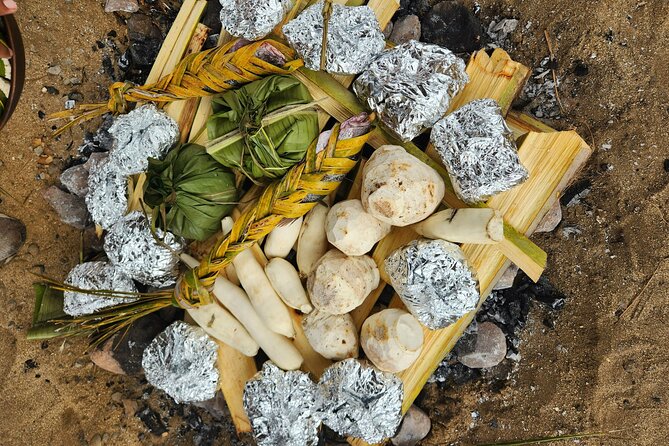
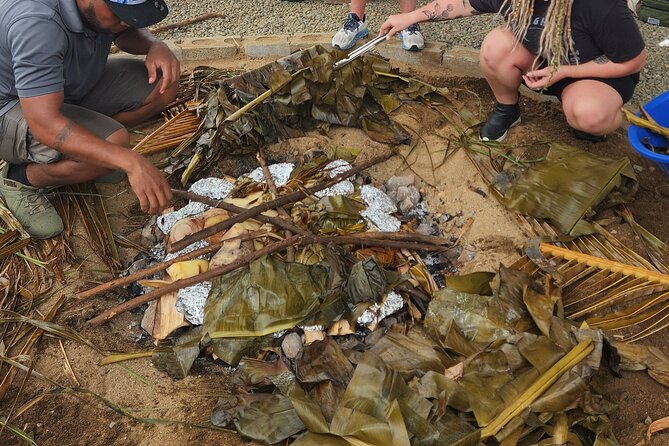
The lovo demonstration is the centerpiece. You watch the traditional earth oven being set up and help prepare food that will cook inside it.
Lovo cooking is valuable to understand because it is both a method and a social occasion. The oven takes preparation, patience, and group effort. It is not just a hot box for lunch. The process helps explain why food preparation can bring people together for a long shared meal.
One of the foods prepared for the lovo is palusami. The specific recipes can vary, and the provided details do not promise every ingredient or step, but you should expect to participate in the preparation rather than simply watch the hosts work.
The waiting time also gives the day a natural rhythm. You prepare food, take part in other activities, and later sit down to eat what has been cooking. That gives lunch a sense of occasion that a standard restaurant meal cannot match.
A practical note: this is hands-on cooking, so you should be ready to participate. The experience is not designed only for people who want to sit back and take photographs. Families who enjoy doing things together should find this part especially rewarding.
A different way to fill a day in Viti Levu:
- Cruisin Fiji: Authentic Fijian Day Cruise – Best Day in Fiji
★ 5.0 · 2,409 reviews - Jet Boat Safari on the Sigatoka River
★ 5.0 · 1,135 reviews - Captain Cook Cruises Fiji – Island and Reef Day Cruise
★ 4.5 · 752 reviews - Malamala Beach Club – Full Day
★ 4.5 · 684 reviews
Cooking at least four traditional Fijian foods
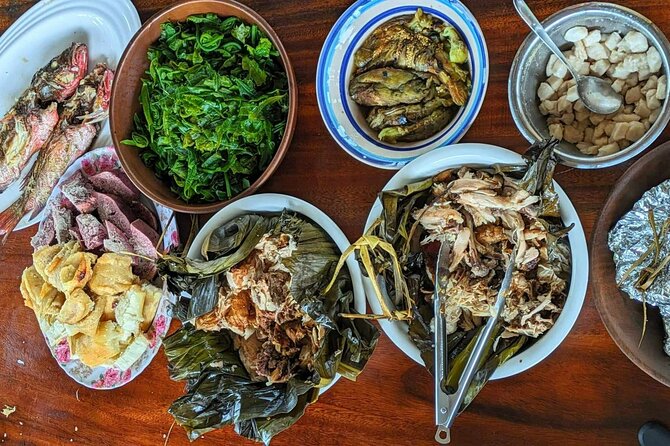
Alongside the lovo preparation, you help make at least four traditional Fijian dishes or foods. Eggplant tavu is one example, and palusami is another.
The exact menu may change with availability and dietary needs. That flexibility is helpful because it keeps the meal tied to fresh local ingredients rather than a fixed list that cannot adapt. It also means you should not book expecting a guaranteed menu beyond the examples provided.
The cooking class is a good fit if you enjoy learning by doing. You may be involved in preparing ingredients, assembling dishes, and understanding how the food is handled before it reaches the oven or table. The hosts are described as attentive and well organized, which matters when several people are sharing a kitchen space.
Children can also have a good time here. The experience has worked well for a three-generation family, and one family group found it enjoyable for both parents and children. The work is social and practical, with a meal waiting at the end. That is often more engaging for younger people than a long cultural talk.
Coconut scraping, weaving, and kava tasting
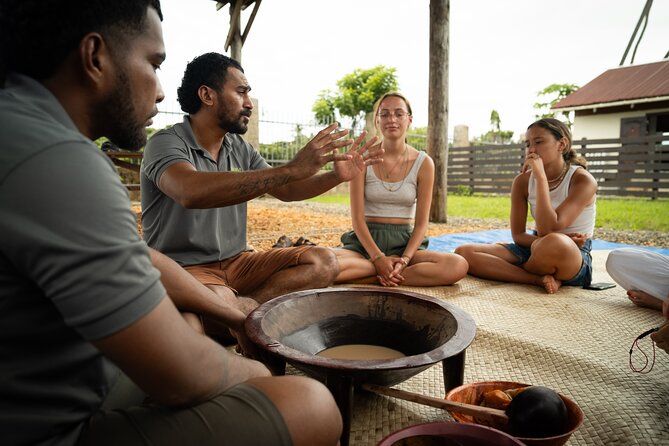
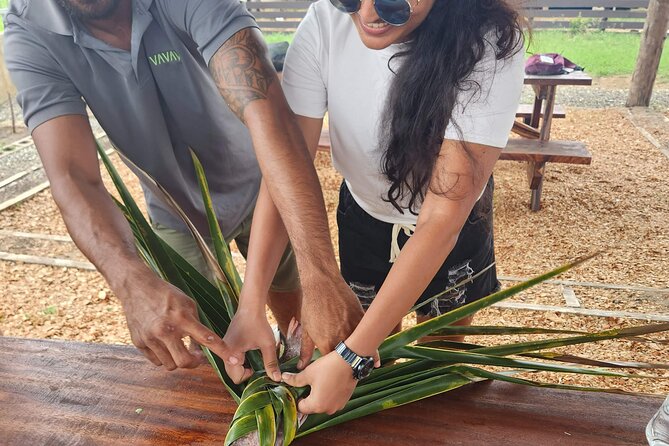
The cultural activities broaden the day. Coconut scraping and weaving show practical skills connected with island life, while kava tasting introduces an important Fijian custom.
These activities help prevent the class from becoming only a recipe lesson. Coconut work and weaving show how useful materials are handled, and kava tasting gives you a small introduction to a drink with a social role in Fiji.
The kava portion is a tasting, not a full ceremonial program as described here. Keep that distinction in mind if you are seeking a formal cultural ceremony. Still, it adds another layer to the day and gives the hosts a chance to explain a custom in a relaxed setting.
Morning tea is also included. The schedule appears to alternate between food preparation, cultural activities, and breaks, so you are not expected to cook continuously for six hours.
Lunch with the food you helped prepare
Lunch is included, with drinks served as part of the meal. This is where the different parts of the day come together. You have seen the produce, helped prepare several dishes, watched the lovo being set up, and then sit down to eat.
That shared meal is one of the strongest reasons to choose this experience. You are not simply handed a plate of unfamiliar food. You have followed the food through several stages, which makes the flavors and cooking method easier to understand.
The meal also gives you time to enjoy the company of the hosts and the rest of the group. The most consistent praise centers on the food and the warm family atmosphere. Hosts Sam, Rocky, Joy, and John are singled out for making people feel welcome, including family groups who were uncertain at first but soon relaxed.
If you have strict dietary requirements, tell the operator when booking. Vegetarian, vegan, halal, and gluten-free needs can be catered for, but advance notice is the sensible approach.
Is $117.12 a good value?
At $117.12 per person, the price is not just paying for a cooking lesson. It covers approximately six hours, pickup in the service area, an air-conditioned vehicle, a market visit, preparation of at least four traditional foods, cultural activities, kava tasting, morning tea, bottled water, and lunch with drinks.
Compared with paying separately for a meal, a short market tour, and a cultural demonstration, the package offers solid value. The small group limit strengthens that value because you are more likely to take an active role instead of watching from the back.
The price may feel high if you only want a quick taste of Fijian food. It is also not the best choice if your priority is beaches, waterfalls, or major island scenery. This is a food and people experience. Its value comes from time spent learning and sharing a meal, not from covering a long distance.
The fact that it is commonly booked about 74 days ahead suggests that you should not leave it until the last part of your trip if the date matters. Availability is not guaranteed, and the group limit is 12.
Who will enjoy Vavavi most?
I would recommend this experience to you if you want a personal introduction to Fiji through food. It is especially suited to:
- Families with children who enjoy practical activities
- Couples who prefer local contact to a large staged show
- Food lovers interested in traditional cooking methods
- Groups with vegetarian, vegan, halal, or gluten-free needs
- Visitors staying in Nadi or Denarau who want a full-day cultural outing
- Three-generation family groups seeking an activity everyone can share
It may be less suitable if you dislike participation, have limited time, or want a polished restaurant-style cooking class. The family setting is part of the appeal, but it may also mean a relaxed pace rather than a highly formal lesson.
The experience is also not a complete survey of Fijian culture. It gives you a focused look at food, market shopping, crafts, kava, and hospitality. That focus is a strength as long as you choose it for the right reason.
Booking, cancellation, and useful planning notes
Confirmation is normally received when you book. If you reserve within one day of the start date, confirmation comes as soon as possible and depends on availability.
Free cancellation is available up to 24 hours before the 9:00 a.m. start time for a full refund. Changes made less than 24 hours ahead are not accepted, and late cancellations are not refunded. If the minimum number needed to run the experience is not reached, you will be offered another date or experience, or a full refund.
Service animals are allowed. The activity ends at the original meeting point, and mobile tickets are offered.
Should you book Vavavi?
Book it if you want to taste Fiji through a real cooking session, a local market, and an unhurried shared lunch. The combination of lovo preparation, at least four traditional foods, coconut scraping, weaving, kava tasting, and family hospitality gives you plenty to do for the six-hour schedule.
I would be particularly keen to book it for a family group or anyone who values direct contact with local hosts. The strongest feature is not one single dish. It is the complete chain from market produce to prepared food to lunch around the same table.
Skip it if you want a short activity, a major sightseeing route, or a formal culinary school. For everyone else, especially those staying near Nadi or Denarau, Vavavi offers a thoughtful and fairly priced way to spend a day learning how Fijian food fits into everyday life.
FAQ
Where does the Vavavi experience begin?
It begins at Vavavi, Cooking and Cultural Experience, on Enamanu Road in Nadi, Fiji.
What time does the experience start?
The start time is 9:00 a.m.
How long does the experience last?
The experience lasts approximately six hours.
Is pickup available?
Pickup is offered, but transfers from outside the Nadi and Denarau area are not included.
Where does the experience end?
The activity ends back at the meeting point in Nadi.
Is lunch included?
Yes. Lunch, drinks, coffee or tea, and bottled water are included.
Can dietary requirements be accommodated?
Yes. Vegetarian, vegan, halal, and gluten-free requirements can be catered for.
How many people can join the experience?
The maximum group size is 12 people.
Just added in Viti Levu
- Private Transfer from Nadi Airport to Suva City/Suva Hotels★ 4.5 · 3 reviews
- Discover Coral Coast Combo Tour★ 3.5 · 3 reviews
- Private Transfer from Nadi Airport to Sigatoka/Outrigger Resort/ Bedarra Inn★ 3.5 · 3 reviews
- Private Guided Lautoka Shore Excursion★ 5.0 · 4 reviews
- Roundtrip Airport Transportation★ 3.5 · 4 reviews
- Islands & Mountains Adventure★ 5.0 · 4 reviews
- Private Breathtaking Mnt Victoria Day Trek★ 5.0 · 5 reviews
- Discover Fiji Best Sights Tour from Lautoka wharf Cruise Ships★ 4.0 · 5 reviews
Fijian Village & Cultural Tours, compared.
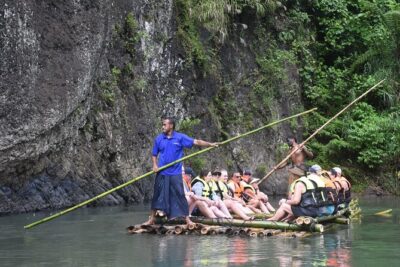
Jewel Of Fiji incl Fijian Village, waterfall & Lunch(Nadi Hotels)
Read our review →
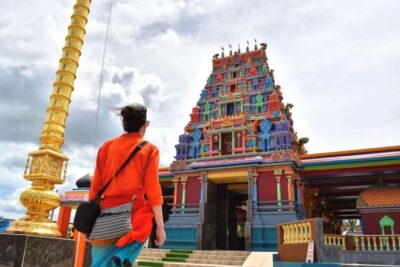
Garden Village Hot Spring & Temple Highlights Tour
Read our review →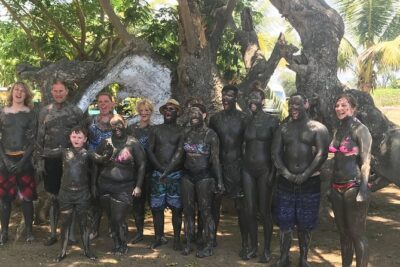
CFC Hot Spring Mud Pool,Garden Of Sleeping Giant And Village Visit Half Day Tour
Read our review →
Robinson Crusoe Sunset Cruise Including Dinner, Cultural Show & Transfers
Read our review →
ATV Quad Bike Adventure Tour to Remote Village and School (Departs Nadi)
Read our review →
Vuda Lookout, Vesisei Village, Market, Temple & Garden of Sleeping Giant Tour
Read our review →
Fiji Cultural Full Day Island Cruise With Lunch & Transfers
Read our review →Browse the lists this tour appears in